 ultimate-guide
Mobile Notary for Assisted Living: Complete Guide
Table of Contents
- What Is a Mobile Notary for Assisted Living Facilities?
- Types of Documents Notarized in Care Facilities
- How to Prepare for a Mobile Notary Visit
- Mobile Notary for Power of Attorney Documents
- Mental Capacity and Signer Awareness Requirements
- Notarizing Documents for Seniors: What You Need to Know
- Same-Day and Emergency Notary Services
- Conclusion
- Frequently Asked Questions
Last Updated: October 4, 2026
What Is a Mobile Notary for Assisted Living Facilities?
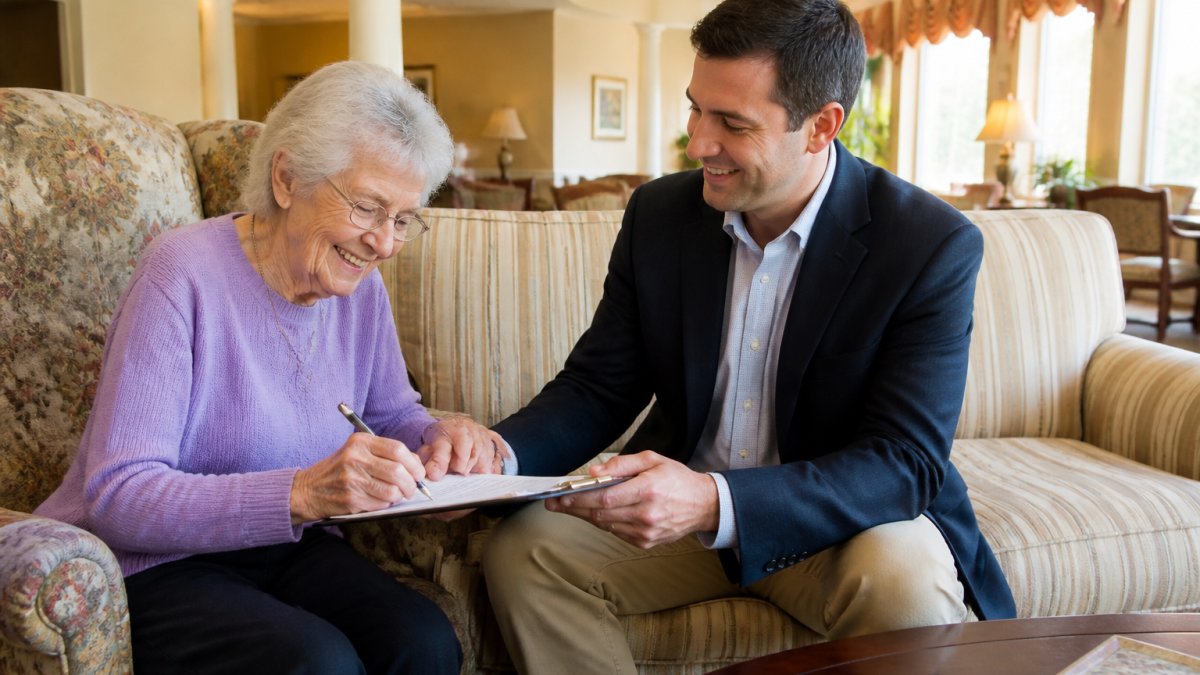
A mobile notary assisted living professional is a notary public who travels directly to care facilities, nursing homes, hospitals, and rehabilitation centers to notarize documents at the bedside or in a common area. Rather than requiring residents to leave their facility during business hours, a mobile notary brings professional notarization services directly to them, making the process convenient and stress-free.
At David Booth Mobile Notary, we understand that residents in assisted living facilities often face mobility challenges, health complications, or scheduling constraints that make traditional notary visits impractical. Our mobile notary service eliminates those barriers. We handle everything from advance directives and power of attorney documents to living trusts and healthcare proxy forms, all without disrupting the resident's daily routine or requiring family members to coordinate complex logistics.
The notarial act itself remains the same whether it happens in a bank or at a bedside. The notary verifies the signer's identity, confirms their awareness of the document's contents, and witnesses their signature. What changes is the convenience factor. For seniors in care facilities, this difference can be profound.
Types of Documents Notarized in Care Facilities
Residents in assisted living and care facilities require notarization for a wide variety of legal documents. Understanding what can be notarized helps families plan ahead and avoid delays.
Power of attorney documents are among the most common. These legal instruments allow a resident to designate someone to make financial, medical, or legal decisions on their behalf.
Advance directives and healthcare proxies are equally critical. These documents outline a resident's wishes regarding medical treatment, end-of-life care, and who should make healthcare decisions if they cannot.
Living trusts allow residents to transfer assets into a trust during their lifetime, avoiding probate and ensuring smooth wealth transfer to beneficiaries.
Affidavits and sworn statements are sometimes needed for legal proceedings, financial matters, or insurance claims. A notarized affidavit carries legal weight that an unnotarized statement does not.
Deed transfers and real estate documents occasionally require notarization, particularly when a resident needs to transfer property or refinance existing holdings.
Financial and banking documents such as loan applications, mortgage documents, and account authorization forms frequently need notarization to satisfy lender or financial institution requirements.
Having a mobile notary visit the facility means these documents can be executed promptly, without waiting for family members to coordinate transportation or time off work.
How to Prepare for a Mobile Notary Visit
Preparation is key to a smooth, efficient notary appointment. When residents and families take time to organize documents and gather required information beforehand, the appointment proceeds without complications.
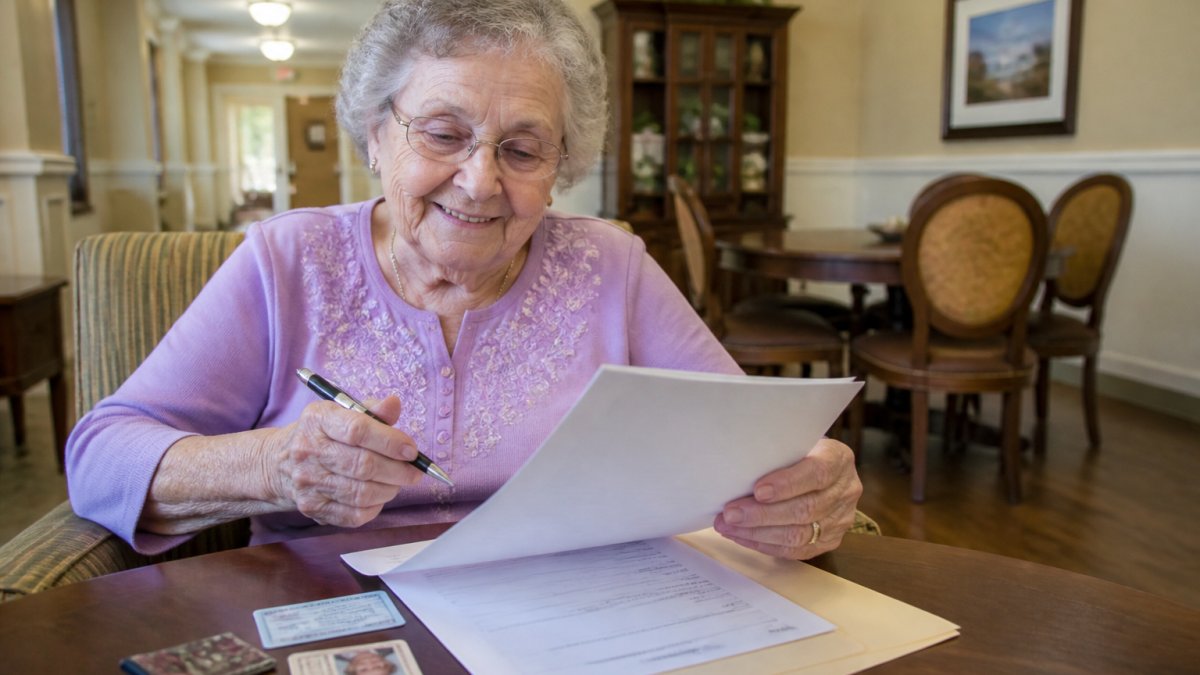
Gather all required documents. Have the original document ready, not a copy. Notaries must work with the actual document the resident will sign.
Locate valid identification. The notary will verify the signer's identity using government-issued photo identification such as a driver's license, passport, or state ID card.
Clear the signing space. Arrange a clean, well-lit table or desk where the resident can sign comfortably. Good lighting helps the notary verify signatures and reduces strain on the signer's eyes.
Have a witness present if required. Some documents require an additional witness beyond the notary. Confirm in advance whether the document needs a second witness, and have that person available during the appointment.
Review the document beforehand. The resident should understand what they are signing. If there are questions about the document's contents, address them before the notary arrives.
Inform facility staff. Let the assisted living facility know about the appointment time. Staff can ensure the resident is available, comfortable, and ready when the notary arrives.
Prepare payment method. Confirm the fee structure and payment method in advance. Discussing this beforehand prevents confusion at the appointment.
Mobile Notary for Power of Attorney Documents
A power of attorney is one of the most important legal documents a senior can execute. It designates someone, typically a family member, trusted friend, or professional, to manage the principal's financial, legal, or medical affairs if the principal becomes unable to do so.
Powers of attorney come in several forms. A durable power of attorney remains valid even after the principal becomes incapacitated, making it essential for long-term planning. A healthcare power of attorney or healthcare proxy specifically addresses medical decision-making. A financial power of attorney covers money, property, and business matters.
Many financial institutions, healthcare providers, and government agencies require a notarized power of attorney to accept it as valid. Without notarization, an institution may refuse to honor the document, creating confusion and delays precisely when the family needs to act quickly.
For residents in assisted living facilities, having a mobile notary handle power of attorney execution eliminates the stress of arranging transportation or leaving the facility. The document is executed properly, notarized on-site, and ready for immediate use if needed.
Mental Capacity and Signer Awareness Requirements
One of the most important aspects of notarization, and one that many people misunderstand, is the notary's responsibility to assess the signer's mental capacity and awareness. This requirement is especially relevant when notarizing documents for seniors in care facilities.
A notary must confirm that the signer understands the document they are signing and is signing of their own free will, without coercion or undue influence. This is not a medical assessment of cognitive ability.
For residents with mild cognitive impairment or early-stage dementia, this assessment can be nuanced. A resident may have difficulty with some cognitive tasks but still understand the specific document being signed.
Signer awareness means the person signing must be conscious, alert, and able to communicate understanding of the document. They should be able to answer basic questions about the document's purpose and their intention to sign it.
Some facilities require additional documentation of capacity, particularly if there is any question about the resident's mental state. Families should discuss any concerns about capacity with the resident's physician or an elder law attorney before scheduling the notary appointment.
David Booth Mobile Notary has extensive experience working with seniors in care facilities and understands how to conduct capacity assessments with compassion and professionalism, ensuring both the resident's dignity and the legal validity of the notarized document.
Notarizing Documents for Seniors: What You Need to Know
Notarizing documents for seniors requires patience, clarity, and an understanding of the unique circumstances many older adults face.
Communication is essential. Speak clearly and at a pace that allows the senior to process information. Avoid jargon and explain the notary's role in simple terms.
Allow extra time. Seniors may need more time to read documents, sign their names, or ask clarifying questions. A notary experienced with seniors builds this flexibility into the appointment.
Ensure proper lighting and seating. Vision and mobility challenges are common among seniors. A well-lit, comfortable signing space with appropriate seating makes the process easier and reduces physical strain.
Involve family members appropriately. Family members can provide support and answer questions about the document, but they should not be present during the notary's private conversation with the signer about capacity and awareness.
Verify identity carefully. Seniors may have outdated identification or vision problems that make reading their own ID difficult. The notary can help by reading the ID aloud and confirming details with the signer.
Respect the resident's autonomy. Even if a senior has cognitive limitations, they retain the right to make their own decisions about legal documents. The notary's role is to ensure they understand what they are signing, not to judge whether the decision is wise.
Same-Day and Emergency Notary Services
Life in a care facility doesn't always follow a predictable schedule. Medical emergencies, family crises, and time-sensitive legal matters can arise unexpectedly, creating urgent notarization needs that cannot wait for a standard weekday appointment.
David Booth Mobile Notary offers same-day and emergency notary services to meet these urgent needs.
Same-day appointments are often available within hours of the request, depending on current demand and the notary's schedule. Emergency services extend beyond standard business hours, accommodating appointments in evenings, on weekends, and on holidays when other notary services are unavailable.
The process is straightforward. Contact David Booth Mobile Notary with details about the urgent need, confirm the documents that require notarization, and arrange a time that works for the resident and facility. The notary arrives prepared, conducts the notarization professionally, and ensures the documents are properly executed and ready for immediate use.
This service is invaluable for families facing time-sensitive situations. Rather than scrambling to find an available notary or attempting to transport a resident to an office, the family can rely on a mobile notary to handle the matter quickly and professionally at the facility.
Conclusion
Mobile notary assisted living services remove barriers that often prevent seniors from executing critical legal documents. When residents can have documents notarized at their bedside, without transportation challenges, scheduling conflicts, or stress, they gain the ability to plan their estates, designate healthcare decision-makers, and protect their interests with dignity and convenience.
Whether you need a power of attorney notarized, advance directives executed, or emergency same-day service, David Booth Mobile Notary brings professional, compassionate notary services directly to your facility. With NNA certification, bonding and insurance, and extensive experience working with seniors in care facilities, we ensure your documents are executed properly and your experience is seamless. Call us today to schedule your appointment at a time that works best for you and your loved one.
Frequently Asked Questions
What documents can a mobile notary notarize for seniors in assisted living?
Mobile notaries can notarize a wide range of documents for seniors, including power of attorney forms, living trusts, advance directives, healthcare proxies, wills, and financial documents. The key requirement is that the document must be one that legally requires notarization under state law. Facility staff can confirm which documents are appropriate, and the notary will verify that all documents meet legal requirements before the appointment.
How do I schedule a mobile notary visit to an assisted living facility?
Contact the mobile notary service directly to request an appointment. Provide details about the facility location, the type of documents needing notarization, and your preferred date and time. Many services, including David Booth Mobile Notary, offer flexible scheduling and can often accommodate same-day or emergency requests. The facility may require advance notice and approval before the notary arrives on-site.
Does a resident need to be mentally competent to sign documents with a notary?
Yes, the signer must demonstrate mental capacity and signer awareness at the time of notarization. This means the individual must understand the nature of the document they are signing and the consequences of doing so. A notary will assess this through conversation and observation. If there are concerns about capacity, the notary may decline to proceed, or a physician's assessment may be needed beforehand to establish competency.
What identification is required for a senior to have documents notarized?
The signer must provide valid photo identification, such as a driver's license, passport, or state ID card. If the senior does not have current photo ID, some notaries may accept alternative forms of identification or use credential verification methods. It is helpful to have ID ready before the notary arrives to keep the appointment moving smoothly.
Can a mobile notary help with Power of Attorney forms?
Yes, mobile notaries regularly notarize power of attorney documents at assisted living facilities and other locations. Power of attorney forms must be notarized to be legally valid, making mobile notary services especially valuable for seniors who have mobility challenges. The notary will verify the signer's identity and mental capacity before witnessing the signature.
What makes mobile notary services different from going to a bank or UPS store?
Mobile notaries come directly to the resident's location, eliminating travel and waiting time. This is especially important for seniors in care facilities who may have difficulty leaving the premises or who need services outside regular business hours. Mobile notary services also provide a more personalized experience and can work with facility staff to ensure the process is comfortable and stress-free for the resident.