 how-to
Mobile Notary Service for Rural Virginia Areas
Table of Contents
- What Is a Mobile Notary and Why Rural Virginia Areas Need One
- 24 Hour Mobile Notary Availability for Urgent Rural Signings
- Mobile Notary Power of Attorney Services and Estate Planning Documents
- How to Prepare Documents for a Notary Before the Visit
- Service Areas, Travel Radius, and Rural-Specific Logistics
- Pricing, Notary Fees, and What Drives the Travel Fee
- Legal Validity in Remote Areas and Credentials to Verify
- Conclusion: Book a Mobile Notary for Your Rural Virginia Signing
- Frequently Asked Questions
Last Updated: October 2, 2026
What Is a Mobile Notary and Why Rural Virginia Areas Need One
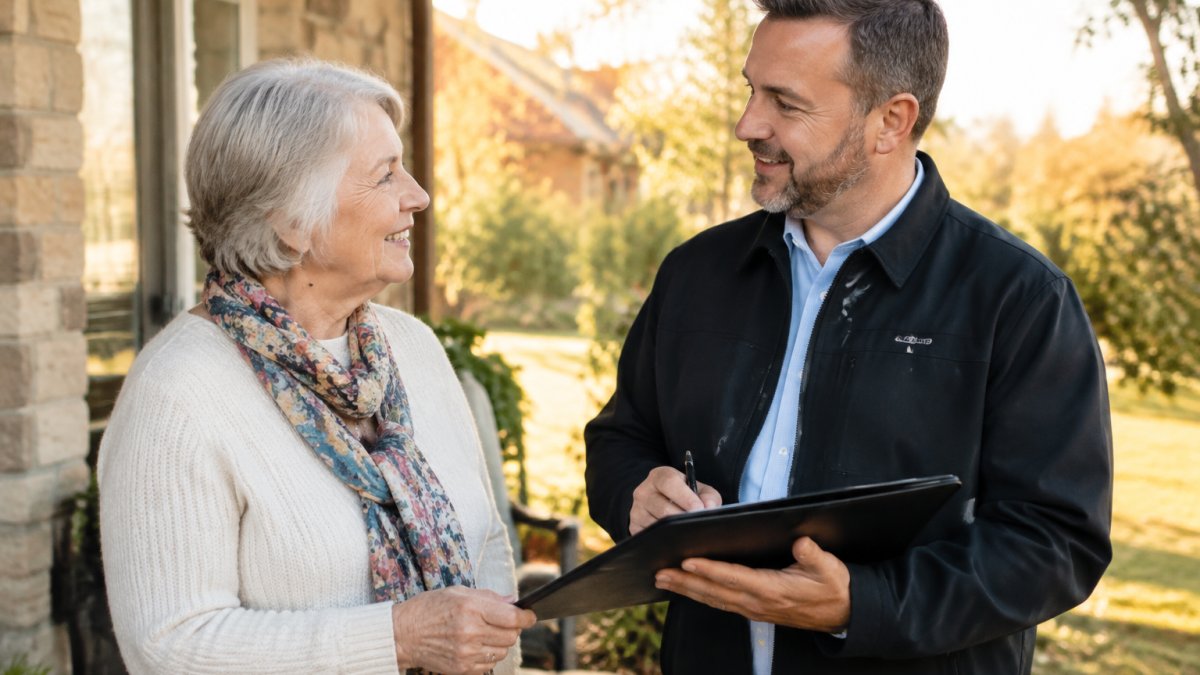
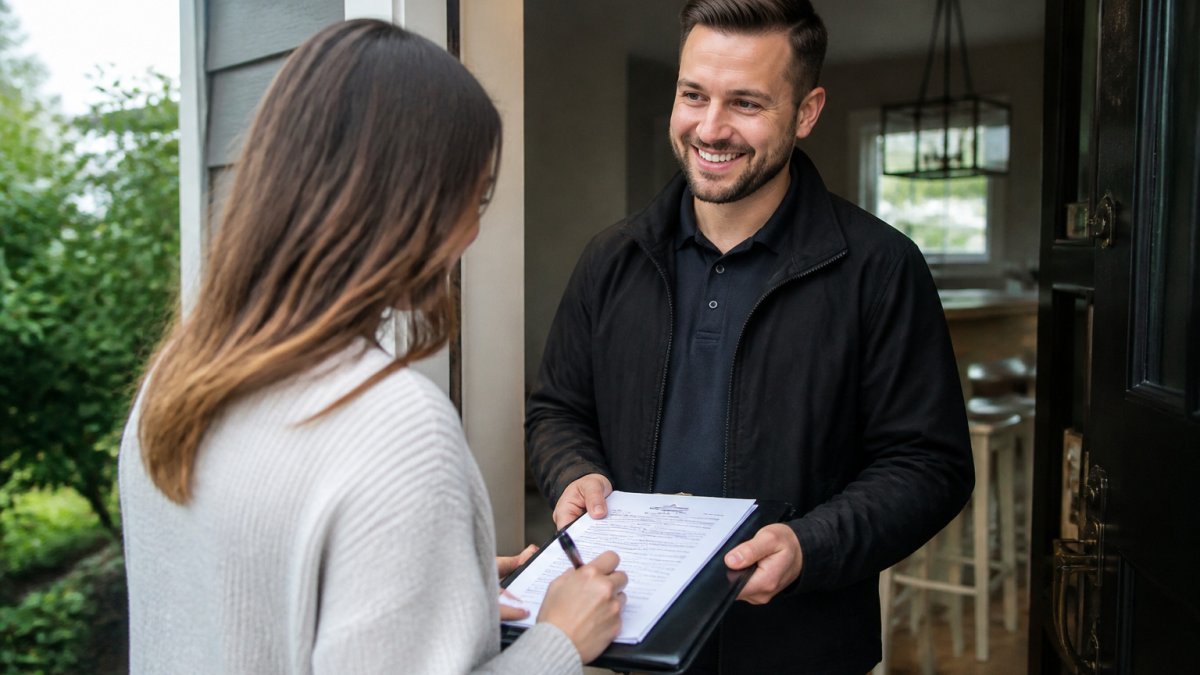
A mobile notary is a commissioned notary public who travels to your home, office, hospital room, or farm to perform notarial acts on your schedule. In rural Virginia, where the nearest bank branch may sit 30 minutes down a two-lane road, that can mean signing your refinance paperwork on time instead of missing a rate lock.
David Booth Mobile Notary serves rural Virginia notary clients statewide plus all Tennessee counties. Most rural signers are farmers closing on land, adult children managing a parent's estate, or small-business owners who cannot lose an afternoon to a round trip.
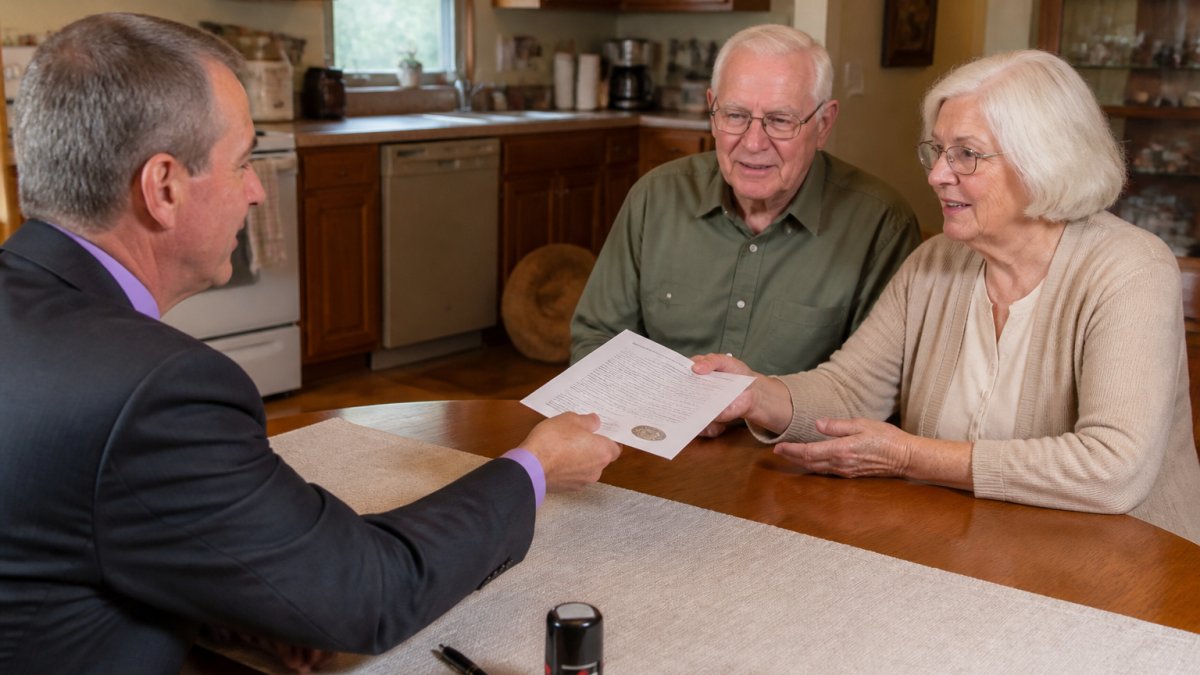
How Mobile Notary Service Differs From a Bank or Shipping Store
A bank notary works inside bank hours, for bank customers, on bank premises. A shipping store notary does the same, usually for a per-document fee and no appointment guarantee. Neither travels to you.
Mobile notarization flips the model: you schedule a time, the notary comes to you, and the appointment happens on the spot, which matters most for rural Virginia notary work when documents are time-sensitive or the signer cannot travel.
24 Hour Mobile Notary Availability for Urgent Rural Signings
Around-the-clock availability means you can book a notary for a late-night signing, an early-morning hospital visit, or a weekend closing. David Booth Mobile Notary offers 24/7 mobile notary service, including emergency appointments, because legal and financial deadlines do not check a calendar.
What Counts as an Emergency Notarization
An emergency is any signing where a delay causes real harm. Common examples include:
- A real estate closing scheduled before a rate lock expires
- Hospital or hospice documents that need signatures while a family member is lucid and present
- Court documents, child protective notices, or affidavits with a filing deadline
- A power of attorney needed before a medical procedure
- Loan signing packages that must be returned to the lender the next business day
If your situation fits any of these, say so when you call. We route urgent rural Virginia notary requests first and travel directly to you.
Mobile Notary Power of Attorney Services and Estate Planning Documents
Power of attorney, living trusts, and estate paperwork are the documents rural clients ask about most. A power of attorney authorizes one person to act on another's behalf for financial, medical, or legal matters, and carries strict signing rules that must be done correctly the first time.
David Booth Mobile Notary regularly handles mobile notary power of attorney services across rural Virginia, bringing the appointment to the signer, farmhouse, care facility, or hospital bedside.
Living Trusts, Affidavits, and Separation Agreements
Estate and family documents each carry their own requirements:
- Living trusts often need a notarized signature plus witnesses, and the witness count depends on how the trust is drafted
- Affidavits require the signer to swear or affirm the statement is true in the notary's presence
- Separation agreements may need notarization and witnesses, depending on how the agreement will be used
- Wills in Virginia have their own witnessing rules, and a notary can serve as a witness or handle a self-proving affidavit
Here is the part most people get wrong: the notary cannot tell you how many witnesses your document needs or whether your wording is legally sound, that is your attorney's job. The notary verifies identity, witnesses the signing, and completes the notarial act. Bring your lawyer's signing instructions, and we will follow them exactly.
How to Prepare Documents for a Notary Before the Visit
Preparing documents before the visit is the single biggest time-saver, turning a 45-minute appointment into 15 minutes and reducing the chance of a rejected document.
Use this checklist before your rural Virginia notary arrives:
- Confirm the document is complete and unsigned, with no blank lines the notary is expected to fill
- Gather valid, unexpired photo ID for every signer
- Confirm the required witness count with the attorney or agency that issued the document
- Line up witnesses if your document needs them, since the notary may not be able to supply them
- Print the full document, including any signature pages, rather than relying on a phone screen
- Flag every spot that needs a signature, initial, or date with a sticky tab
- Have your checkbook, loan documents, or supporting paperwork ready if the signing package requires it
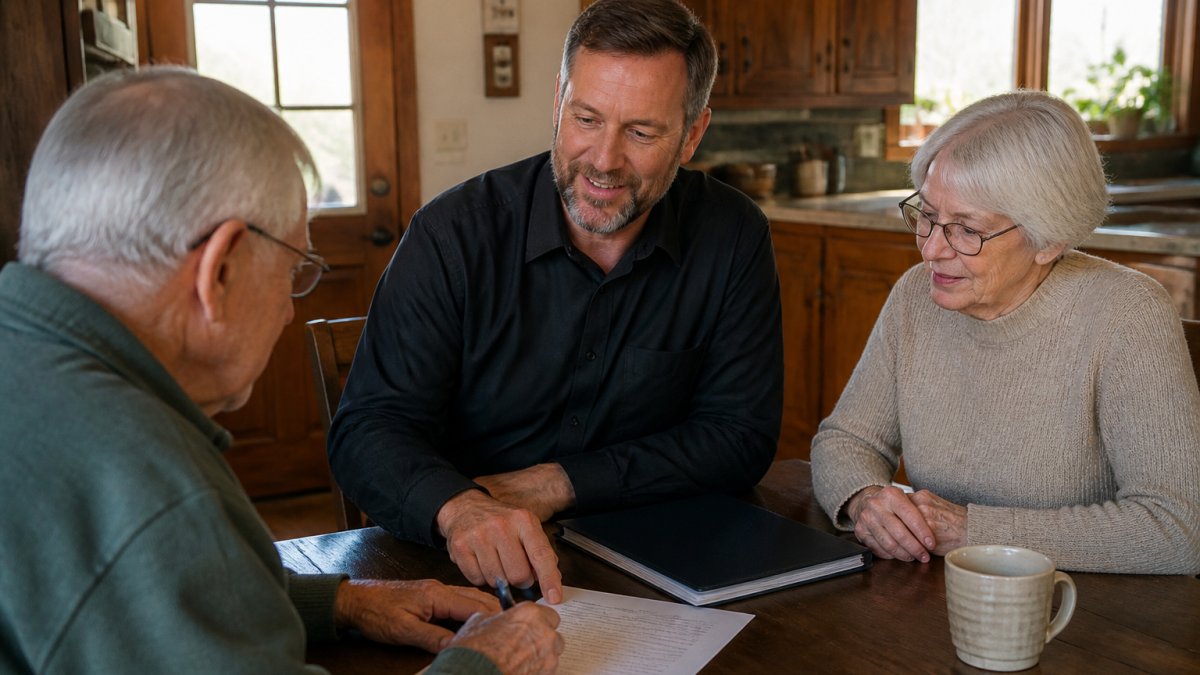
- Clear a flat, well-lit table with room for the signer, the notary, and any witnesses
For rural clients, add one more step: confirm your address works in a GPS app. Many rural routes drop pins in the wrong spot, so send written directions and a gate code if you have one.
Service Areas, Travel Radius, and Rural-Specific Logistics
Rural coverage is where most notary services quietly fail. A company that lists a city on its website may not actually drive two hours to a farm at the end of a gravel road. Ask directly: do you cover my county, and what is your service radius?
David Booth Mobile Notary serves rural Virginia notary clients statewide, plus all Tennessee counties. That reach comes with logistics worth planning around:
- Drive time is the real variable. On rural routes, a 40-mile trip can take longer than a 70-mile interstate run. Mountain switchbacks, one-lane bridges, and unpaved driveways all add minutes that a mileage estimate will not show.
- Weather changes the schedule. Ice, fog, and flooded low-water crossings can delay a visit, so build a buffer around hard deadlines.
- Cell coverage drops. If you know your area has weak signal, share a landline or a neighbor's number as backup.
- Addresses are not always standard. Rural route numbers and unnamed roads confuse delivery apps, so written directions help.
- Witnesses are harder to find. In a small community, lining up two witnesses on short notice takes planning.
How to Confirm Coverage Before You Book
Do not rely on a city name in a search result. Use this three-step check:
- Give the dispatcher your county and nearest crossroads, not just your town. A notary who covers the county seat may still decline a 45-minute run to a hollow road.
- Ask for a drive-time estimate, not a mileage estimate. A company that quotes "30 miles" without asking about road type is guessing.
- Confirm the after-hours answer. A 24/7 phone line that rolls to voicemail at 9 p.m. is not 24/7 coverage. Ask who actually picks up at 2 a.m.
Solving the Two Most Common Rural Failures
The dropped pin. Many rural addresses resolve to a mailbox cluster, a gate, or the wrong side of a ridge. Before the appointment, text the notary: the road name as it appears on the sign, the nearest cross street, your gate code, and whether the driveway is paved, gravel, or dirt.
The dead zone. If your area has no reliable cell signal, give the notary a landline number and a backup contact, a neighbor, a family member, or the person signing with you.
What to Have Ready When the Notary Arrives
Rural appointments reward preparation because a return trip is expensive. Have these ready before the notary pulls in:
- Every signer present with valid, unexpired photo ID
- The full document printed, unsigned, and tabbed at every signature, initial, and date line
- Any witnesses already on site if your document requires them
- A flat, well-lit surface, kitchen table, tailgate, or card table, with room for the signer, the notary, and witnesses
- Written directions and a gate code sent ahead of time
- A phone number that actually rings at your location
Pricing, Notary Fees, and What Drives the Travel Fee
Pricing for a mobile notary depends on the number of notarial acts, the distance traveled, the document type, and the time of day. Virginia caps the fee a notary may charge per notarial act, but travel and convenience are separate from that statutory limit, which is why mobile service costs more than walking into a bank.
Because every rural signing is different, David Booth Mobile Notary quotes each job individually. Call with your document count, location, and timing, and you will get a clear number before anyone gets in the car.
How a Rural Quote Is Actually Built
A transparent mobile notary quote has four parts. Ask any provider to break it down this way:
- The statutory notarial act fee. Virginia sets a maximum per signature notarized. This is the smallest part of a mobile bill and the only part the state controls.
- The travel fee. This covers drive time both ways, fuel, and wear on a vehicle that may spend two hours on back roads for a 15-minute signing. Rural travel fees are usually quoted by drive time or by a zone map, not by straight-line miles.
- The convenience or after-hours fee. Late-night, weekend, and holiday calls carry a premium because the notary is displacing personal time.
- The document or package fee. A single affidavit and a 90-page loan signing package are not the same job. Loan signings take far longer and carry more liability, so they cost more.
What Drives the Cost Up or Down
| What Drives the Cost | Why It Matters in Rural Areas | How to Keep It Down |
|---|---|---|
| Number of notarial acts | Each signature notarized is a separate act under the statutory cap | Batch all documents into one visit |
| Travel distance and road type | Gravel, mountain, and one-lane roads add drive time a mileage quote misses | Book one appointment for the whole family |
| Time of day | Late-night and holiday calls cost more | Schedule same-day if your deadline allows |
| Document type | Loan packages take far longer than a single form | Have pages tabbed and ready |
| Witness needs | Extra people mean extra coordination time | Line up witnesses in advance |
| Return trips | A missed appointment or missing ID means a second travel fee | Confirm ID and documents before the notary leaves |
Questions to Ask Before You Agree to a Quote
- Is the travel fee one-way or round-trip?
- Is there a minimum charge for rural addresses?
- What happens if the signing runs long, is there an hourly overage?
- Is the after-hours rate flat or hourly?
- If a document is rejected and needs re-signing, is there a re-visit fee?
Getting these answers in writing before the appointment prevents the surprise line items that give mobile notaries a bad reputation in rural communities.
For current rates, check the Virginia notary fee schedule published by the Secretary of the Commonwealth or call us for a quote.
If your signing involves multiple family members in different households, ask whether a single trip can cover both stops. A notary already driving 40 minutes into your area can often add a second nearby address for a small add-on rather than a full second travel fee.
Legal Validity in Remote Areas and Credentials to Verify
A notarization performed at a rural kitchen table is just as legally valid as one performed at a bank counter. What matters is not the location but whether the notary is properly commissioned, follows the state's requirements, and completes the notarial act correctly.
Virginia notaries are commissioned through the Secretary of the Commonwealth, and the official notary commissioning information from the Secretary of the Commonwealth explains how commissions work. Before you book anyone, verify these credentials:
- Active commission in the state where the signing happens
- Errors and omissions insurance, which protects you if a notarial act is challenged
- A current notary bond, required in Virginia
- Background screening, which the National Notary Association's notary verification resources can help you confirm
- NNA certification for loan signing work, since loan packages demand extra precision
David Booth Mobile Notary is a member of the National Notary Association, background checked and verified by NNA, bonded and insured, and an NNA certified loan signing agent. Ask any notary you hire for the same proof.
Snap a photo of the notary's commission card and seal imprint before the appointment ends. If a lender or court later questions the document, you will have the details on hand instead of chasing them down.
Conclusion: Book a Mobile Notary for Your Rural Virginia Signing
The hardest part of rural notarization is not the paperwork. It is finding someone willing to drive to you, at the hour you actually need them, and do the job correctly, the entire reason David Booth Mobile Notary exists.
We offer 24/7 mobile notary availability, on-site service at your home, farm, office, or care facility, and help with legal forms, power of attorney, and estate planning documents. Every appointment is handled by a bonded, insured, NNA-verified notary who travels to you and works around your schedule.
Call David Booth Mobile Notary now to book your rural Virginia notary appointment, and get your documents signed, sealed, and finished without leaving your property.
Frequently Asked Questions
What documents can a mobile notary notarize in Virginia?
A certified notary public can handle affidavits, power of attorney forms, living trusts, separation agreements, real estate closing documents, and loan signing packages. Court documents and child protective notices may also require a notarial act. The notary confirms identity, watches you sign, and applies the notary seal. Documents that need witnesses, such as some wills and trusts, should be flagged when you book so the notary can plan for witness requirements.
Are mobile notary services available 24/7 for urgent legal needs?
David Booth Mobile Notary offers 24 hour mobile notary availability, including emergency service for time-sensitive signings. Late-night real estate closings, hospital bedside notarizations, and weekend estate paperwork can all be scheduled. Call to confirm the notary can reach your location within a reasonable window, especially in rural counties where drive times are longer.
What is required to notarize a power of attorney in Virginia?
You need the completed power of attorney document, a valid government-issued photo ID, and your signature made in front of the notary. Virginia does not require witnesses for a power of attorney, but the document must include the correct notarial wording. Bring the full document unsigned, since the notary must witness the signing. If the form was prepared by an attorney, follow any extra instructions included with it.
How do I prepare for a mobile notary appointment at my home?
Have every signer present with valid photo ID, leave signature lines blank until the notary arrives, and confirm the document's notarial wording is complete. Clear a flat surface for signing, gather any witness the document requires, and have contact information ready for anyone signing remotely. For rural addresses, share gate codes, dirt-road directions, and a phone number in case the notary needs help finding the property.