 how-to
Save Time and Money With On-Site Wedding Officiant Services
Table of Contents
- Why On-Site Wedding Officiant Services Save Time and Money
- Understanding Wedding Officiant Cost for Private Ceremonies
- How a Mobile Wedding Officiant Works for Your Ceremony
- Planning a Wedding Officiant for Elopement: What You Need to Know
- Hosting a Small Wedding Ceremony at Your Chosen Location
- Questions to Ask Before Booking Your On-Site Officiant
- Getting Started With Your On-Site Wedding Ceremony
- Frequently Asked Questions
Last Updated: October 17, 2026
Why On-Site Wedding Officiant Services Save Time and Money
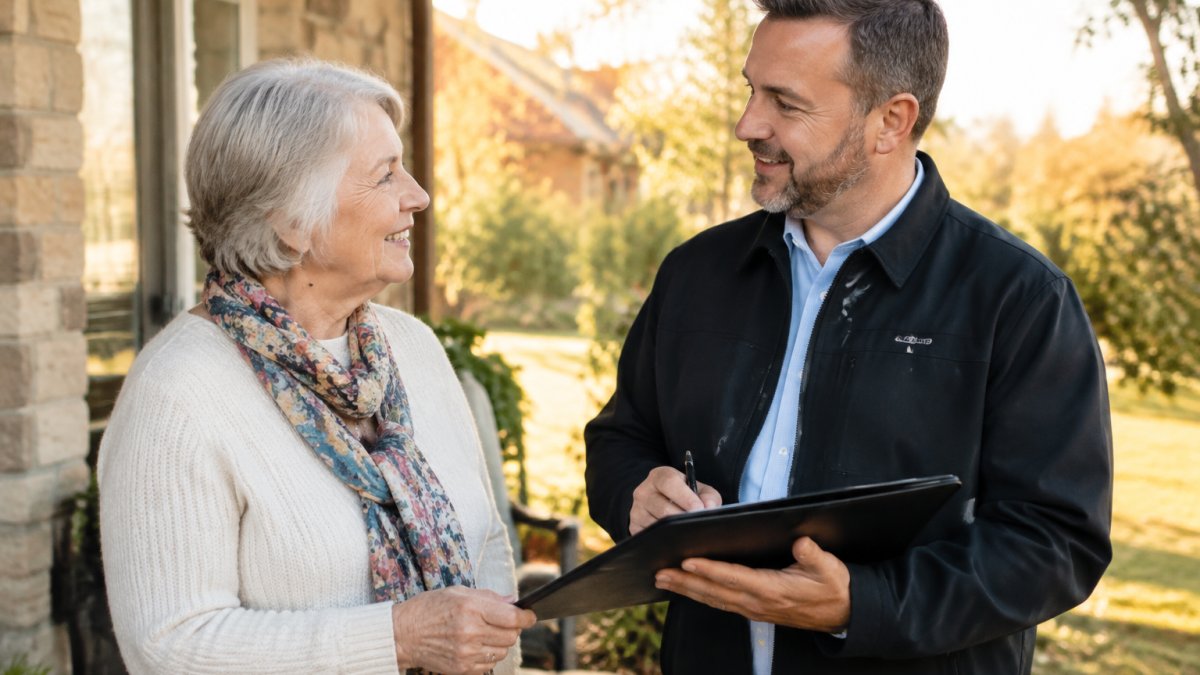
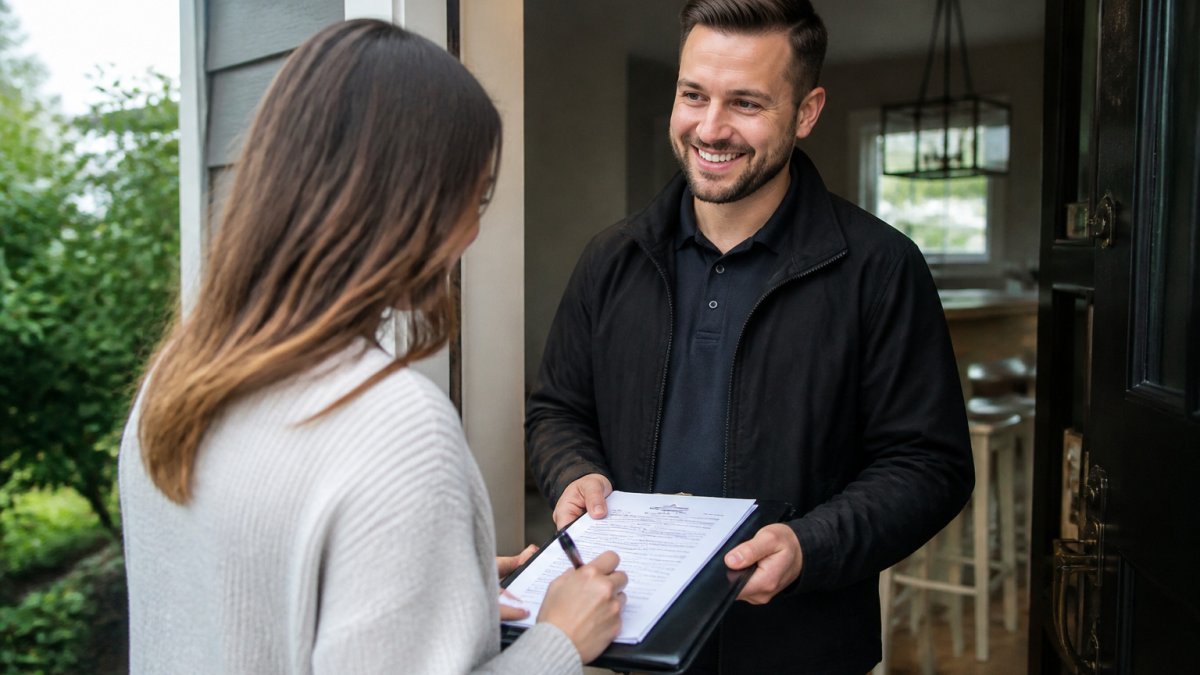
An on-site wedding officiant brings professional ceremony services directly to your location, eliminating travel to a chapel or venue with availability constraints.
The core advantage: you choose the location, date, and time.
Traditional wedding planning creates unnecessary expenses and complexity. An on-site service flips that model: you pay only for the officiant's time and expertise, not facility overhead or middleman fees.
Understanding Wedding Officiant Cost for Private Ceremonies
Most directory listings show a starting price and stop there, rarely explaining how an on-site officiant's fee is built or how on-site service changes your total ceremony budget.
What the base fee usually covers
A private ceremony officiant fee is typically a flat rate for a defined scope. In most markets that base fee includes:
- A pre-ceremony consultation (often 15-45 minutes by phone or video)
- A standard or lightly customized ceremony script
- The officiant's travel within a stated service radius
- Conducting the ceremony on the agreed date and time
Anything outside that scope is where quotes diverge. Ask each provider to mark, line by line, what is included versus added.
The line items that move the price
| Fee component | Typical trigger | How to control it |
|---|---|---|
| Travel surcharge | Venue outside the included radius | Choose a location inside the radius or ask for a flat travel quote upfront |
| Custom vow or script work | Multiple drafts, unusual rituals, bilingual ceremony | Send your draft once, early, and consolidate edits |
| Extended consultation | Additional calls or in-person planning meetings | Batch questions into one scheduled call |
| Rush or short-notice booking | Booking inside the provider's expedite window | Book as early as your date allows |
| Rehearsal attendance | Separate rehearsal-day visit | Decide whether a rehearsal is worth the add-on for a small ceremony |
| Witness or second officiant | Ceremony requires an extra credentialed person | Confirm witness rules for your state before assuming you need to pay for one |
| Filing or courier fee | Provider delivers paperwork to the county office | Ask whether filing is included or self-filed |
Deposits, balances, and cancellation terms
A common pattern is a deposit to hold the date with the balance due before or on the ceremony day. Two terms matter more than the deposit amount:
- Reschedule policy. Weather, illness, or a venue change can force a new date. Ask how many reschedules are allowed, whether a reschedule fee applies, and how much notice is required.
- Refundability. Confirm in writing whether the deposit is refundable, partially refundable, or non-refundable, and what happens if the officiant cancels.
Get these terms in the written agreement, not just in a text message.
How on-site service lowers the total ceremony cost
The officiant fee is only one line in your ceremony budget. The savings come from the lines you never add:
- No venue rental or facility fee. A backyard, family home, or permitted public space replaces a rented chapel or event room.
- No venue-mandated vendor list. Some venues require their preferred officiant or charge a vendor fee; a private location removes that constraint.
- No premium time-slot surcharge. Venue-based ceremonies often price Saturday afternoons and holiday weekends higher. An on-site officiant works to your schedule, not the venue's.
- No minimum guest count or food-and-beverage minimum. Small ceremonies at a private location avoid venue minimums entirely.
A simple way to compare quotes
Ask every provider for the same four numbers:
- Base fee for your date, time, and location
- Travel charge (or confirmation that your venue is inside the included radius)
- Add-ons you actually want (custom vows, rehearsal, filing)
- Deposit amount and the reschedule/refund terms
Add those four numbers for a true total. A lower base fee with a travel surcharge and non-refundable deposit can cost more than a higher flat quote that includes travel and filing.
How a Mobile Wedding Officiant Works for Your Ceremony
Directories list officiants but rarely walk you through what happens between booking and "I do." Here is the practical sequence, legal checkpoints, and on-site logistics that determine whether the day runs smoothly.
Step 1: Confirm the officiant can legally marry you
Marriage authority is set at the state level, and rules differ. Before you book, confirm three things:
- Authority to solemnize. Some states authorize judges, clergy, and specific public officials; many also allow notaries public or other designated individuals to solemnize. Ask the officiant which authority they rely on in your state and whether it covers your county.
- Witness requirements. The number of required witnesses varies by state, some require two, some require none, and some require witnesses only for certain license types. Confirm before you plan the guest list around it.
- License validity window. Marriage licenses are valid for a set period after issuance (commonly a window measured in days, not months) and must be used before they expire. Confirm the window for your state and county so your ceremony date falls inside it.
A credentialed officiant will answer these without hesitation and can point you to the county clerk's office that issues your license.
Step 2: Get the marriage license before the ceremony
In most states the couple, not the officiant, obtains the marriage license from the county clerk or recorder. Plan for:
- Application. Many counties accept the application online, but at least one party usually must appear in person to pick up the license or sign before a clerk.
- Identification and fee. Bring government-issued photo ID and payment for the license fee; fees are set by the county and vary widely.
- Waiting period. Some states impose a waiting period between issuance and the ceremony. Build that into your date selection.
- Expiration. Note the expiration date on the license and schedule the ceremony comfortably inside it.
The officiant's job at the ceremony is to conduct the service and complete the officiant section of the license or certificate, including signatures.
Step 3: Plan the ceremony scope with the officiant
Once booked, a typical workflow looks like this:
- Intake questionnaire. The officiant collects names, ceremony style, readings, vow preference, and any cultural or religious elements.
- Script draft. You receive a draft ceremony to review; most providers allow one or two revision rounds within the base fee.
- Final confirmation. A few days before, you confirm the time, address, contact on site, and any last changes.
- Day-of arrival. The officiant arrives ahead of the ceremony start to check the space, meet your point of contact, and set up.
Step 4: Handle on-site logistics before the day
This is where on-site ceremonies succeed or fail. Confirm each item with your venue contact and officiant:
- Access and arrival time. Give the officiant a gate code, building entry instructions, and a phone number for the on-site contact.
- Parking. Confirm where the officiant can park and whether a permit or pass is needed at a park or private community.
- Setup and sound. Decide whether the officiant needs a small table for the license, a microphone, or a music source, and who provides them.
- Weather contingency. For outdoor locations, name a backup indoor space and a decision deadline (for example, a set hour the morning of) for switching.
Step 5: After the ceremony, filing the paperwork
Who files the completed license with the county varies by state and county. Some jurisdictions require the officiant to return it within a set number of days; others allow the couple to file. Confirm in writing:
- Who is responsible for returning the signed license
- The filing deadline and the office it goes to
- Whether you can request certified copies at the same time (you will need them for name changes, benefits, and records)
Planning a Wedding Officiant for Elopement: What You Need to Know
For couples choosing to elope, a wedding officiant for elopement becomes your primary vendor and often your main point of contact for ceremony logistics.
Every state has specific rules about who can legally perform marriages, how many witnesses are required, and what documents must be signed.
Before booking, verify your officiant is properly credentialed for your state.
Timing matters for elopements. An officiant with flexible scheduling and quick turnaround becomes invaluable, David Booth Mobile Notary provides emergency service availability, so urgent elopement requests can often be accommodated on short notice.
Hosting a Small Wedding Ceremony at Your Chosen Location
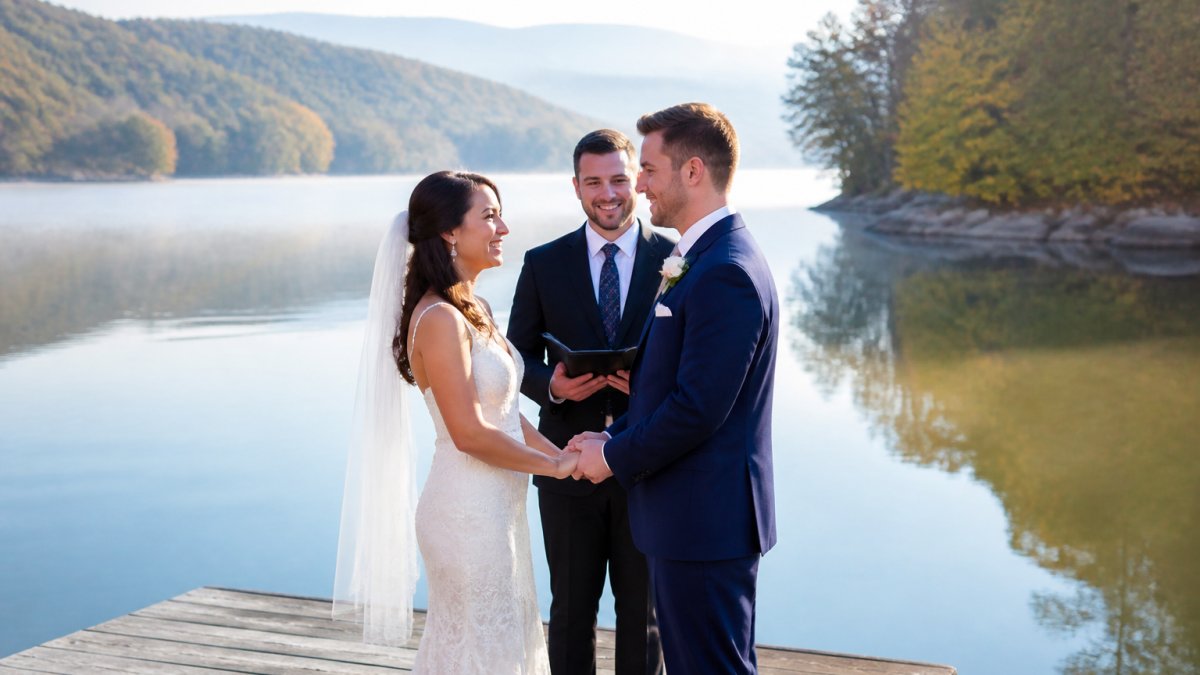
The freedom to choose your ceremony location transforms the celebration.
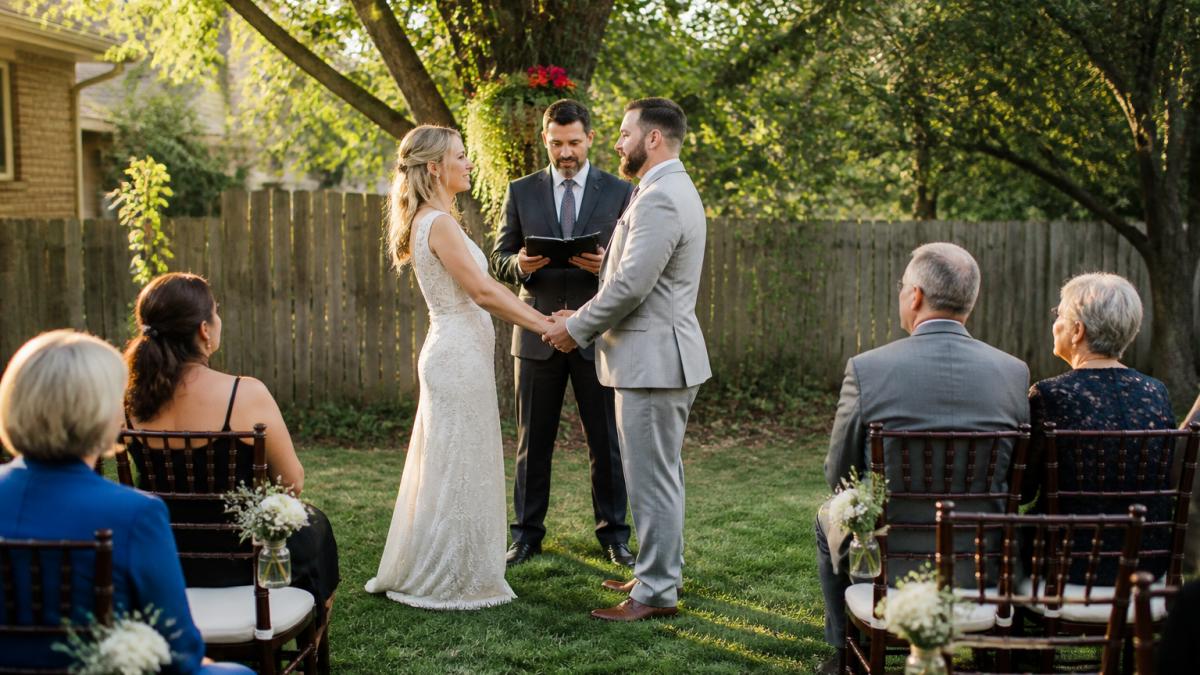
When selecting your location, consider weather protection, parking, bathroom access, and privacy.
Coordinating with your officiant about the specific location ensures they understand the space and arrive prepared.
Small ceremonies often feel more meaningful than large formal weddings: guests participate more actively, conversations flow naturally, and the focus stays on the couple.
Questions to Ask Before Booking Your On-Site Officiant
Asking the right questions ensures you hire someone reliable and well-suited to your vision.
Next, explore their experience and style. How many ceremonies have they conducted?
Discuss logistics and contingencies. What happens if weather forces a location change?
Ask about the legal side. What documents will they prepare?
Finally, discuss customization. Can you write your own vows, or do they provide templates?
Getting Started With Your On-Site Wedding Ceremony
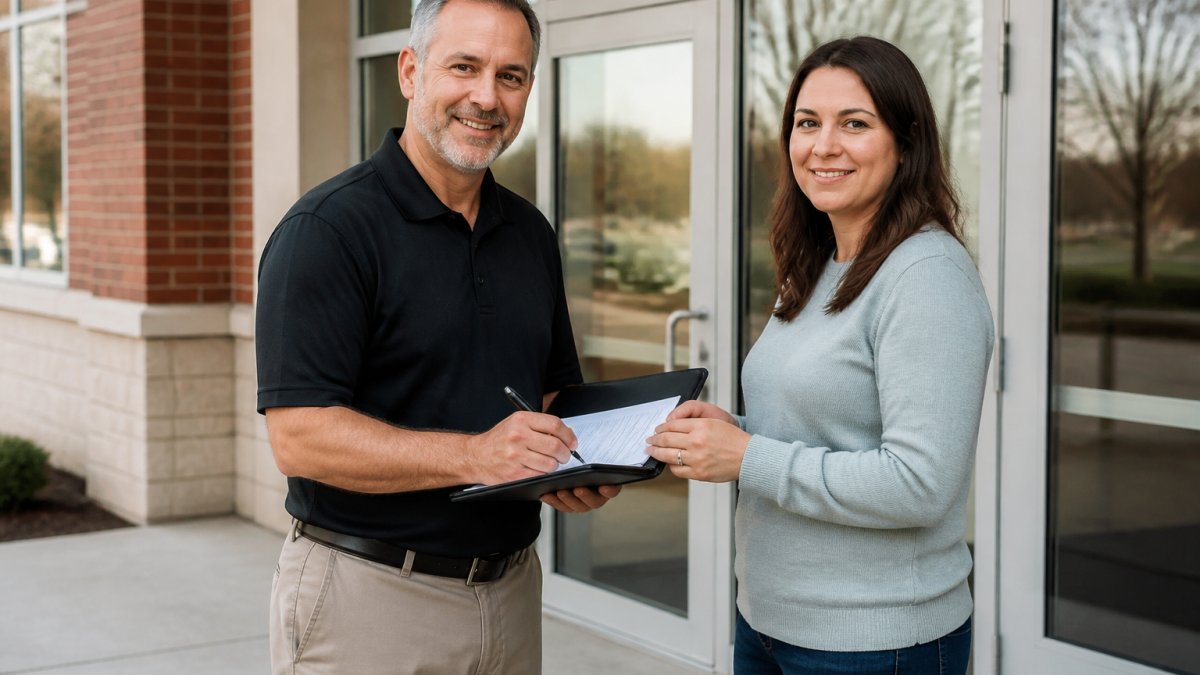
Starting is simple: identify potential officiants, contact them with your basic details, and request a consultation or quote.
In your first conversation, listen for professionalism, responsiveness, and genuine interest. A good officiant asks about your vision, explains their process clearly, and answers concerns directly.
Once you've chosen an officiant, you'll typically sign an agreement outlining the date, time, location, services included, cost, and any special requests.
David Booth Mobile Notary makes this straightforward.
Planning an intimate ceremony shouldn't require months of coordination or substantial expense. David Booth Mobile Notary specializes in personalized, low-cost wedding services with 24/7 availability, NNA certification, and experience serving couples across Tennessee and Virginia.
| Aspect | On-Site Officiant | Traditional Venue |
|---|---|---|
| Location control | You choose any location | Limited to venue options |
| Scheduling flexibility | Highly flexible, often same-day available | Booked months in advance |
| Cost structure | Officiant fee only | Venue + officiant + additional fees |
| Customization | Fully personalized ceremony | Template-based, limited changes |
| Guest experience | Intimate, informal | Formal, structured |
Frequently Asked Questions
How much does a mobile wedding officiant typically cost?
Pricing for a mobile wedding officiant depends on several factors, including the location, ceremony length, travel distance, and any additional services. Rather than assume a standard rate, contact your local mobile officiant directly for a quote. David Booth Mobile Notary provides personalized pricing based on your specific ceremony needs and location within Tennessee and Virginia.
Can a wedding officiant for an elopement come to my home or private location?
Yes. A wedding officiant for an elopement is designed to travel to your chosen location, whether that's your home, a park, a beach, or any private venue. This flexibility is one of the primary benefits of hiring a mobile officiant. You control where and when the ceremony happens, eliminating the need to book a traditional venue and reducing overall costs significantly.
What should I ask before booking a private wedding officiant?
Ask about their credentials and licensing, availability for your preferred date and time, travel radius and service area, experience with ceremonies similar to yours, whether they offer personalized ceremony scripts, their cancellation and rescheduling policy, and confirmation of their bonding and insurance.
How long does a simple wedding ceremony with an on-site officiant take?
A simple ceremony typically lasts 15 to 30 minutes, depending on your preferences and whether you include vow exchanges, readings, or personal touches. Discuss your vision with your officiant beforehand so they can prepare an appropriate script and timeline. The flexibility of an on-site service means you can extend or shorten the ceremony to match your comfort level.